Introduction: A New Chapter for Thailand
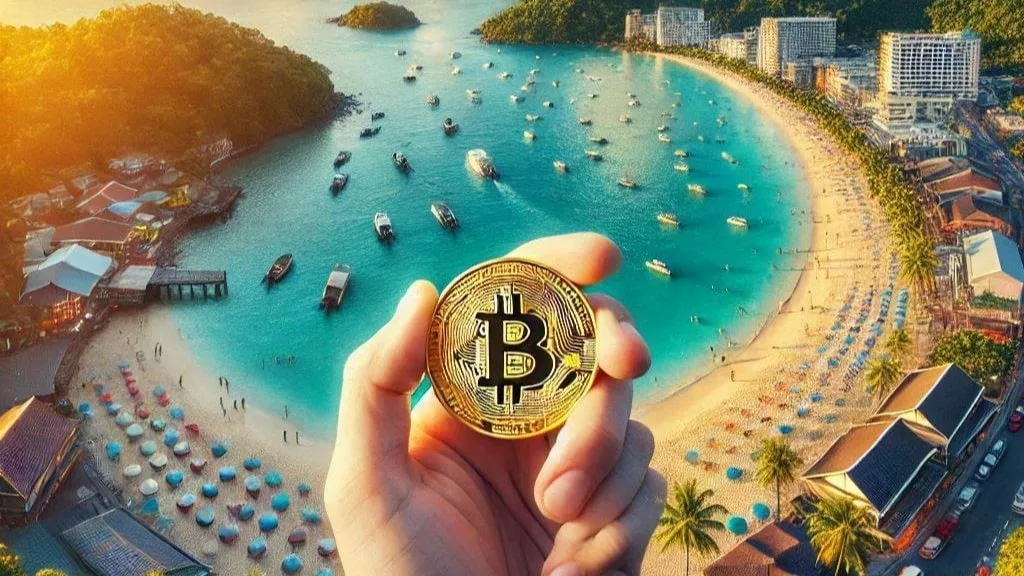
Thailand has long been known for its vibrant tourism industry, attracting millions of visitors each year with its tropical beaches, cultural heritage, and bustling cities. Now, the nation is setting its sights on becoming a pioneer in another field—crypto adoption. Interestingly, tourism is becoming the testing ground for Thailand’s carefully managed crypto integration strategy.
By starting with the tourism sector, Thailand can explore how digital currencies can fit into everyday transactions while keeping risks under control. For beginners, this makes Thailand’s case a fascinating example of how countries can approach the crypto revolution without diving in too fast.
Section 1: Why Tourism Is the Starting Point
Thailand’s Tourism Powerhouse
Tourism is one of the most vital pillars of Thailand’s economy, contributing significantly to its GDP. Millions of travelers visit every year, and this global footfall creates an ideal environment to test new financial systems. Tourists often look for convenient, flexible payment options, making crypto an attractive addition to traditional methods.
Controlled Experimentation
By introducing crypto payments and services in tourism hotspots first, Thailand can observe adoption rates, challenges, and customer experiences. This approach limits risks while gathering valuable data for larger-scale integration.
Section 2: How Crypto Fits into the Travel Experience
Seamless Payments
Imagine checking into a Bangkok hotel and paying with Bitcoin or Ethereum, or dining at a Phuket restaurant where crypto payments are accepted. Tourists don’t have to worry about foreign exchange rates or carrying large amounts of cash. This convenience is one of the biggest reasons Thailand sees potential in crypto for its tourism industry.
Boosting Competitiveness
Other global destinations are also exploring crypto integration, but Thailand wants to stand out by creating a seamless and traveler-friendly experience. By positioning itself as a forward-thinking hub, Thailand can attract tech-savvy tourists who are already comfortable with digital assets.
Section 3: The Controlled Integration Strategy
Balancing Innovation with Safety
Thailand’s government is cautious. Instead of allowing unregulated expansion, it is introducing crypto step by step, with the tourism industry acting as the pilot. This way, officials can regulate usage, monitor risks, and design policies that protect both users and the economy.
Involvement of Local Businesses
Hotels, resorts, travel agencies, and restaurants are being encouraged to participate in the pilot. However, participation is optional, allowing businesses to adapt at their own pace. This ensures that crypto integration happens organically without overwhelming smaller operators.
Section 4: Opportunities for Businesses and Tourists
For Businesses
Accepting crypto payments allows Thai businesses to reach new audiences. It eliminates transaction fees associated with international credit cards and creates faster, borderless transactions. For smaller businesses in tourist areas, this could mean attracting a wealthier, crypto-friendly crowd.
For Tourists
Tourists benefit from reduced costs and improved convenience. They can pay with the digital assets they already hold instead of exchanging currencies. This makes Thailand more appealing for global travelers, especially from regions where crypto adoption is already high.
Section 5: Challenges and Risks
Regulatory Concerns
While crypto adoption sounds exciting, it carries risks such as money laundering, fraud, and price volatility. This is why Thailand insists on a controlled approach. By monitoring tourism-related transactions first, the country can identify loopholes and close them before expanding adoption.
Market Volatility
Crypto prices can rise and fall dramatically in short periods. Businesses find it challenging to establish consistent prices as a result. To manage this, some establishments might use stablecoins—cryptocurrencies pegged to traditional currencies like the US dollar—to reduce volatility risks.
Section 6: Learning from Global Examples
Thailand vs. Other Nations
Other countries have attempted to integrate crypto into their economies, with mixed results. For instance, Bitcoin became legal tender in El Salvador. While bold, it came with challenges like slow adoption and market volatility. Thailand is watching these experiments carefully and using tourism as a safer, smaller-scale test.
Adopting Best Practices
By learning from global examples, Thailand can create a system that avoids common pitfalls. Its controlled tourism experiment could eventually evolve into a model for other countries looking to balance innovation with regulation.
Section 7: The Future of Crypto in Thailand
Expansion Beyond Tourism
If Thailand’s pilot succeeds, crypto usage may expand into retail, e-commerce, and even real estate. Tourism is only the beginning, but it provides valuable insights into user behavior and adoption challenges.
Becoming a Regional Leader
Thailand could position itself as Southeast Asia’s hub for crypto adoption. Its combination of a strong tourism sector, tech-savvy population, and cautious regulation makes it a natural leader in the region.
Conclusion: A Smart Step Forward
Thailand’s choice to use tourism as the staging ground for controlled crypto integration is both bold and practical. It allows the nation to embrace innovation while minimizing risks. For beginners, this shows how countries can take a balanced approach to crypto adoption—leveraging opportunities while addressing challenges head-on.
As Bitcoin, Ethereum, and other cryptocurrencies become more mainstream, Thailand’s model could inspire others to adopt a “start small, scale smart” approach. Tourism may be the testing ground today, but tomorrow, crypto could become a mainstream part of Thailand’s financial system.
✅ Slug:
thailand-tourism-crypto-integration
✅ Meta Description:
Thailand is using its tourism industry as a controlled staging ground for crypto integration. Learn how this cautious yet innovative approach benefits tourists, businesses, and the nation while minimizing risks.